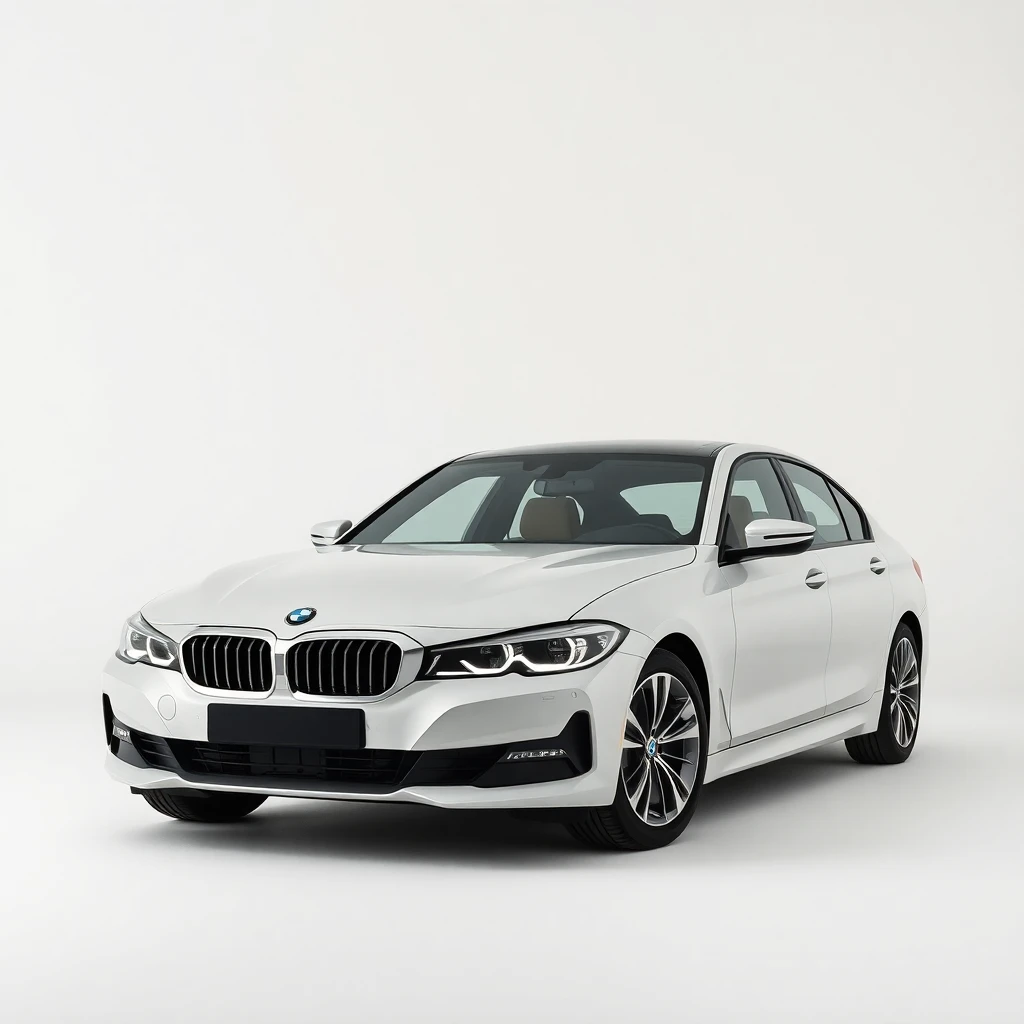
Why This Drop Matters
The BMW Neue Klasse i3 isn't just another electric vehicle; it signifies a complete reimagining of BMW's core identity. As the successor to the iconic 3-Series, it represents a critical juncture for the brand's transition to electrification. Its success—or failure—will directly impact BMW's standing in the rapidly evolving EV market and shape consumer perception of the marque for years to come. It is a bellwether for how legacy automakers can adapt and remain relevant.
The Intel Brief
Anticipate a radical departure from current BMW design language, embracing minimalism and sustainability. Rumors suggest advanced solid-state battery technology, promising significantly increased range and faster charging times. Performance expectations are high, with whispers of dual-motor configurations and advanced driver-assistance systems. Leaks indicate a focus on interior space and innovative materials, aligning with the EV's green ethos. This model will likely premiere new in-cabin technologies.
Historical Context
This launch carries immense weight. While BMW has dabbled in EVs before, this is a full commitment. The original 3-Series defined BMW. The i3 aims to repeat that success in an era defined by electric power and sustainability, rather than combustion engine performance.