Why it matters
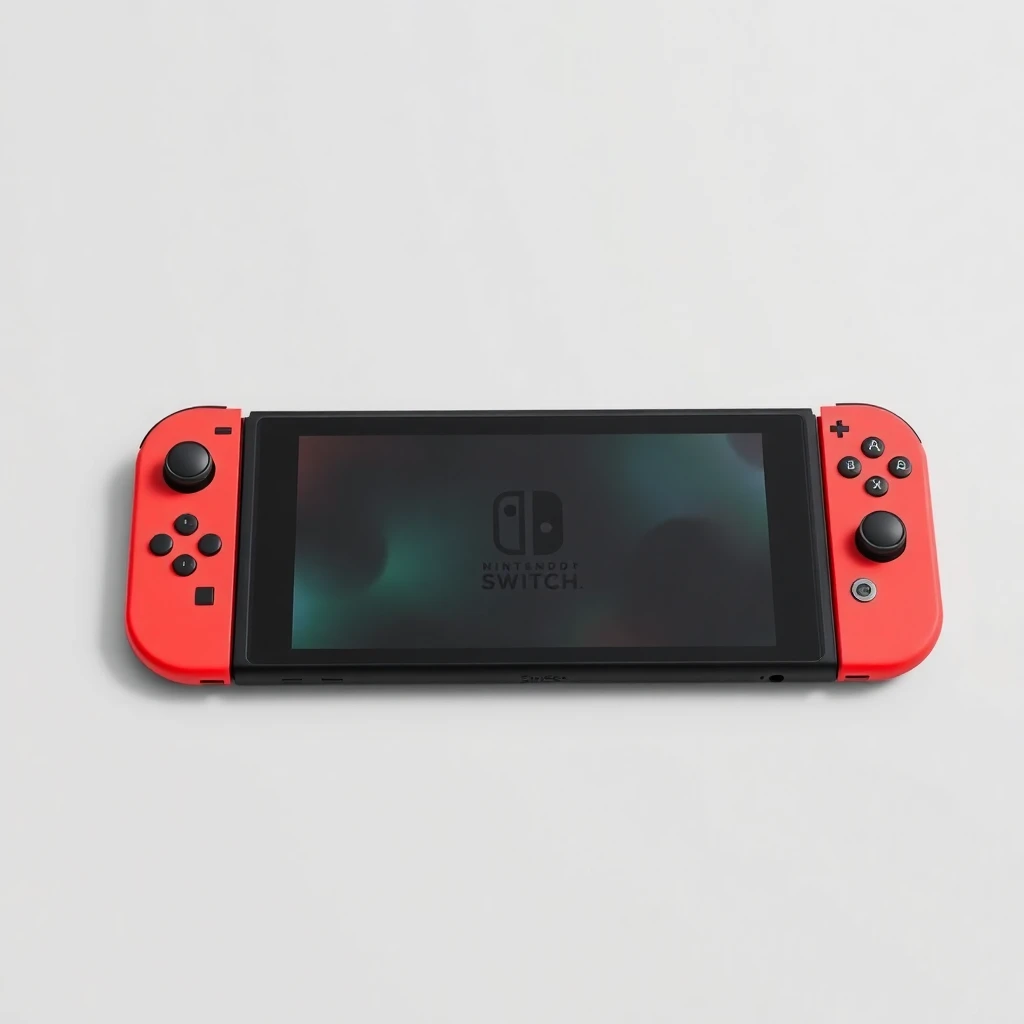
A Nintendo Switch successor, especially a higher-end "Pro" model, represents a pivotal moment for the gaming industry. Nintendo's hybrid approach has proven wildly successful, and this next iteration will showcase how they intend to innovate on that formula. Upgraded hardware and enhanced graphical capabilities would allow Nintendo to compete more directly with Sony and Microsoft, widening its appeal to hardcore gamers while retaining its family-friendly image. This significantly impacts the console market.
What we know
Rumors strongly suggest an upgraded OLED screen and potential 4K output when docked, thanks to NVIDIA's DLSS technology. Insiders anticipate improved processing power and RAM to handle more demanding games. Given the Switch's lifecycle, a late 2026 release aligns with Nintendo's hardware update strategy. Backward compatibility and expanded storage are also expected. Whether it's fully backward compatible remains a key question. Price point will dictate market adoption.