Why This Drop Matters
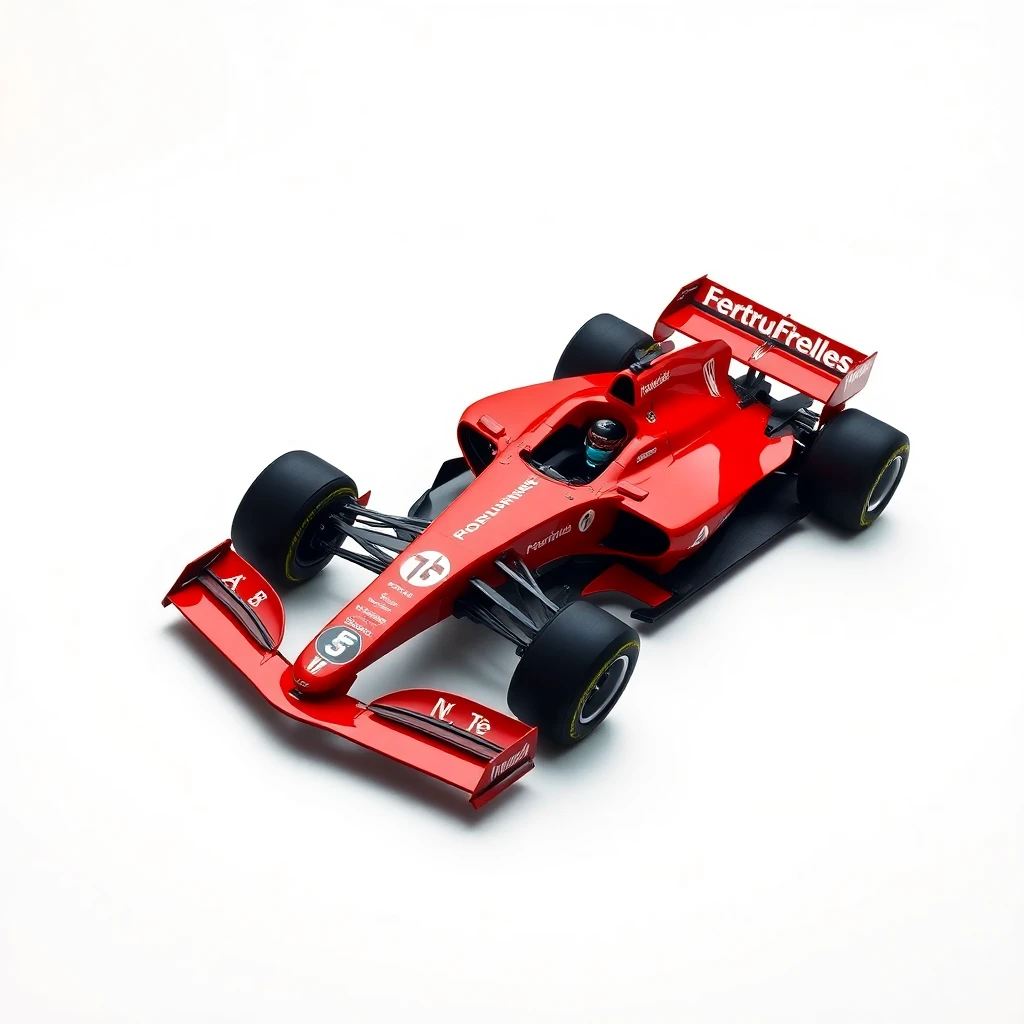
The Monaco Grand Prix stands as the jewel in Formula 1's crown, a race steeped in history and prestige. It is a true test of driver skill, where overtaking is notoriously difficult, placing immense pressure on qualifying performance. Victory here is highly coveted, instantly elevating a driver's status and etching their name into motorsport legend. The unique, unforgiving street circuit demands absolute precision, making it a spectacle unlike any other on the F1 calendar.
The Intel Brief
Expectations are high for the 2026 Monaco Grand Prix, given the anticipated regulation changes impacting car design and engine performance. Teams are reportedly focusing on optimizing aerodynamics for the tight, twisty circuit. Tire strategy will again be crucial, particularly managing wear on the soft compounds. Keep an eye on potential upgrades brought by Mercedes and Ferrari, as they aim to challenge Red Bull's dominance.
Historical Context
Monaco's legacy dates back to 1929, with the track's layout largely unchanged despite modern safety demands. In recent years, the race has often favored those starting at the front, emphasizing the importance of qualifying. However, unpredictable weather or strategic gambles can still lead to dramatic upsets, reminiscent of the rain-soaked 1996 race won by Olivier Panis.