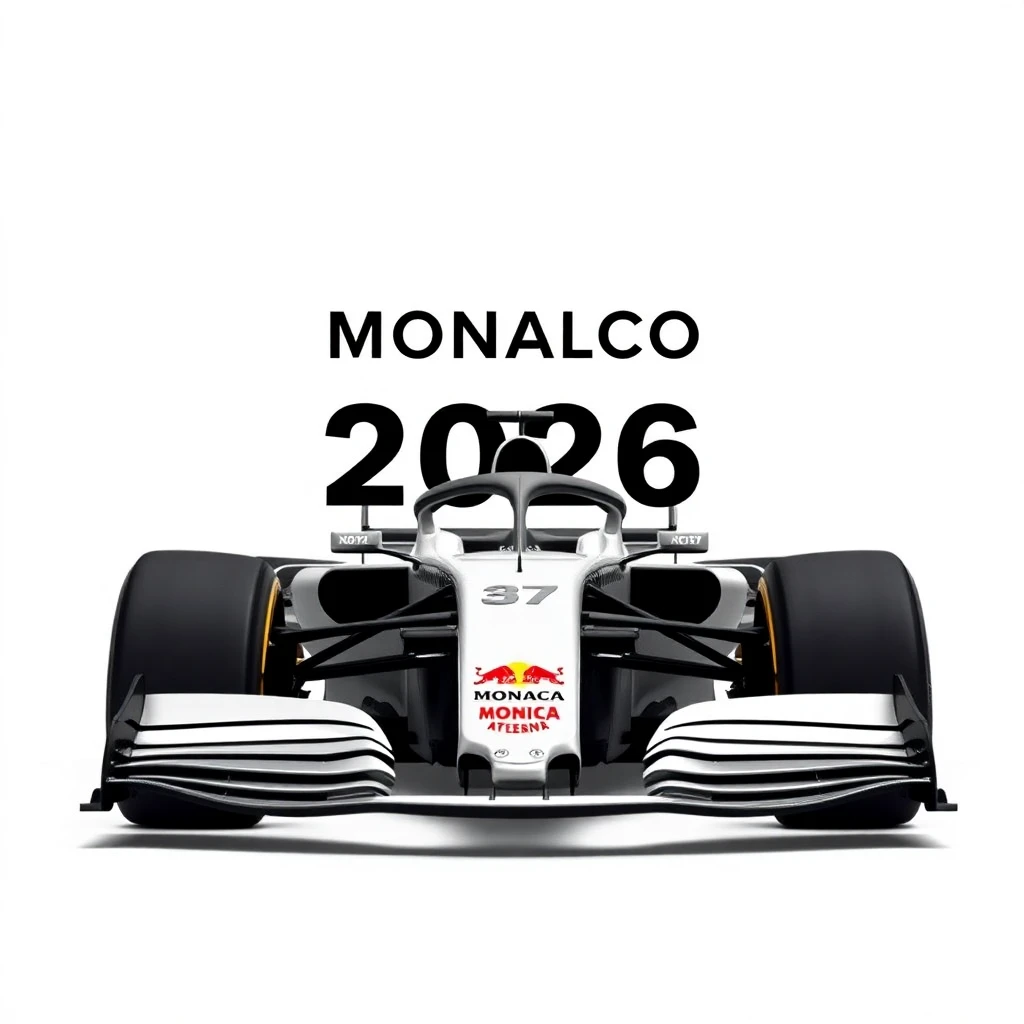
Why This Drop Matters
The Monaco Grand Prix is the crown jewel of Formula 1, a race steeped in history and prestige. Its tight, unforgiving street circuit demands unparalleled precision and driver skill, making victory here a career-defining moment. Securing pole position is paramount, as overtaking is notoriously difficult. For teams, mastering the unique aerodynamic challenges and tire strategies specific to Monaco is crucial for success, adding an extra layer of strategic depth to the event. It remains the most glamorous event on the F1 calendar.
The Intel Brief
Anticipation for the 2026 Monaco Grand Prix is building as teams adapt to the new engine regulations, potentially shaking up the grid order. Tire degradation, always a factor, will be amplified by predicted warmer conditions. Sources indicate Ferrari and Mercedes are bringing significant aerodynamic upgrades specifically tailored for the Monaco circuit and its low-speed corners. Keep an eye on qualifying; if weather comes into play, expect major strategic and racing volatility.
Historical Context
Since its inaugural race in 1929, the Monaco Grand Prix has been a fixture on the Formula 1 calendar. Past races have seen countless dramatic moments, from Senna's dominance to unexpected underdog victories. It remains a test of pure driver and machine, one where the margins for error are almost always zero.