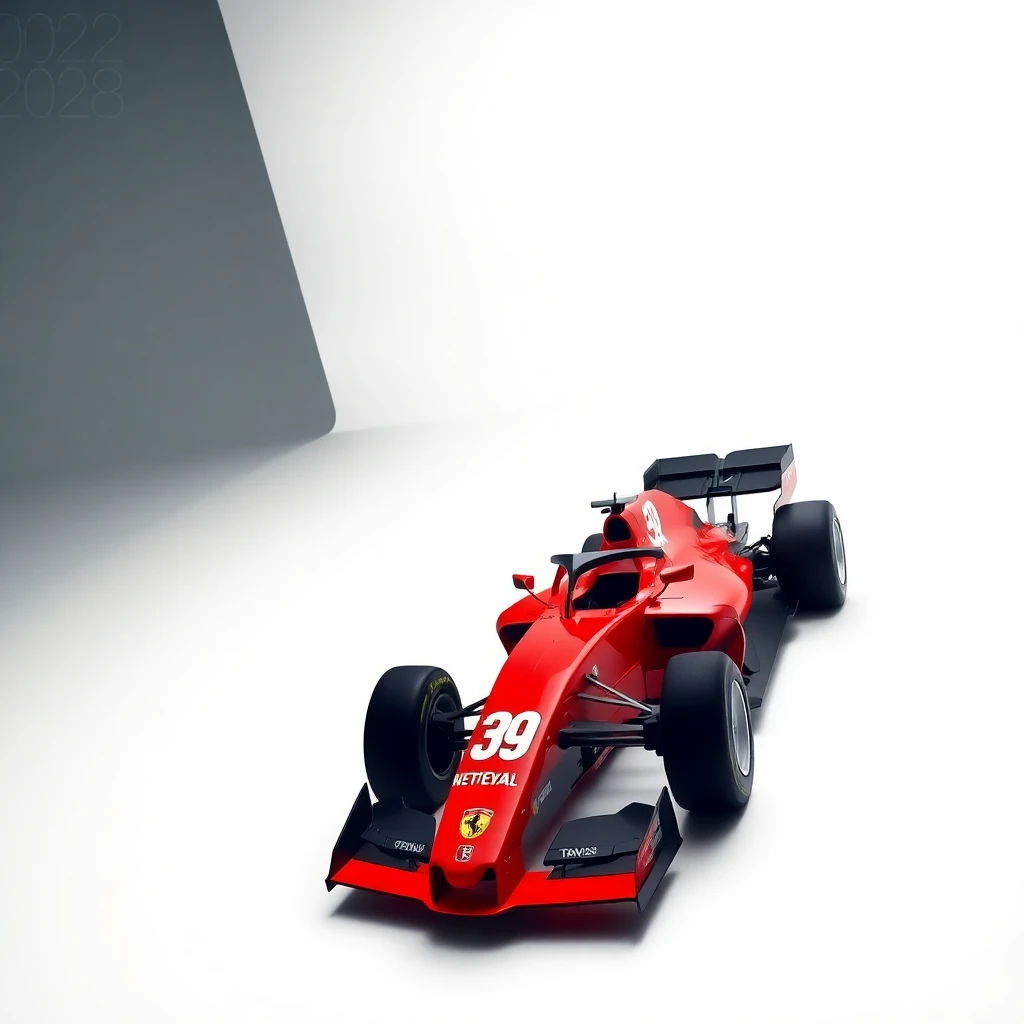
Why This Drop Matters
The Dutch Grand Prix's return to the Formula 1 calendar has injected a surge of passionate energy back into the sport. The revamped Zandvoort circuit, a thrilling blend of old-school challenge and modern safety, consistently delivers dramatic races. Securing its place on the 2028 calendar underscores its economic import for the Netherlands, both in tourism and global visibility. For motorsports enthusiasts, it represents more than a race; it's a festival of speed steeped in racing heritage and unparalleled atmosphere.
The Intel Brief
Speculation is already rife about potential aerodynamic tweaks to the cars in 2028, aimed at improving overtaking opportunities at Zandvoort's challenging layout. Advanced tire compounds are expected to further influence race strategy. Whispers of potential team shakeups continue, adding to the anticipatory buzz. The race is also expected to showcase further developments in sustainable fuels and hybrid engine technology, aligning with F1's broader commitment to environmental responsibility.
Historical Context
The current iteration of the Dutch Grand Prix marks a resurgence after a decades-long absence. Early races at Zandvoort were legendary, attracting racing icons. The modern revival, with its sold-out grandstands and electrifying environment, aims to recapture that golden era of motorsport while embracing a sustainable future.