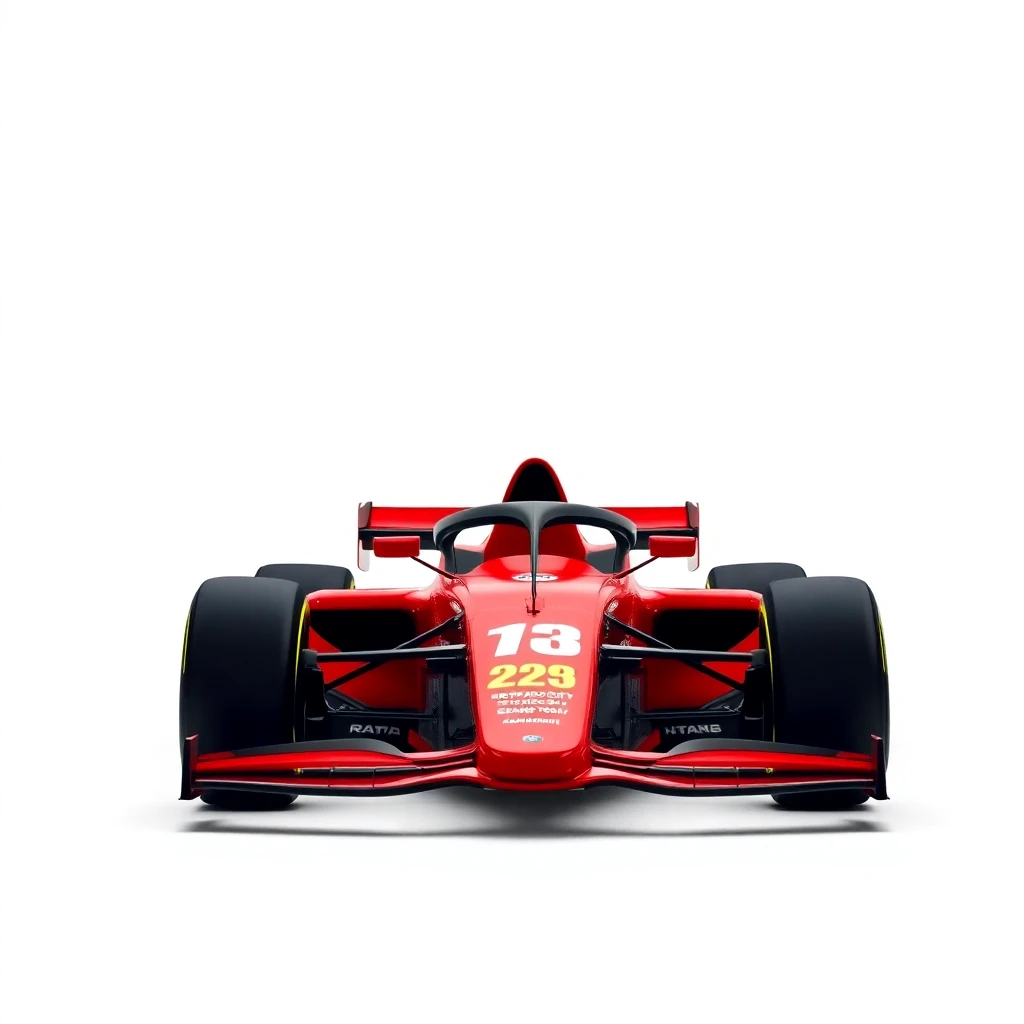
Why This Drop Matters
The Mexico City Grand Prix consistently delivers a unique spectacle for Formula 1. Staged at the Autódromo Hermanos Rodríguez, its high altitude presents a distinct challenge, significantly impacting engine performance and aerodynamic configurations. The passionate Mexican fanbase creates an electric atmosphere rivaled by few races on the calendar, amplifying the strategic weight for teams aiming to secure crucial championship points in the latter stages of the season. Securing victory here is a statement of engineering prowess and driver skill.
The Intel Brief
Early whispers suggest teams are already focusing on optimizing power unit cooling solutions and developing specialized aero packages tailored for the thin air. Pirelli will likely bring a compound range leaning towards harder options given the track's abrasive surface and high-energy demands. Expect intense competition from Red Bull, given their historical success at high-altitude circuits, and continued pressure on Ferrari and Mercedes to close the gap and challenge for the win in 2026 under the new regulatory formula.
Historical Context
The Autódromo Hermanos Rodríguez has played host to numerous iconic F1 moments. Notable is the raucous podium celebrations and passionate support for local hero Sergio Pérez. Its place on the calendar has been secure since 2015. It presents a stark contrast to lower altitude circuits, making it a critical test of adaptability for teams and drivers alike.