Why This Drop Matters
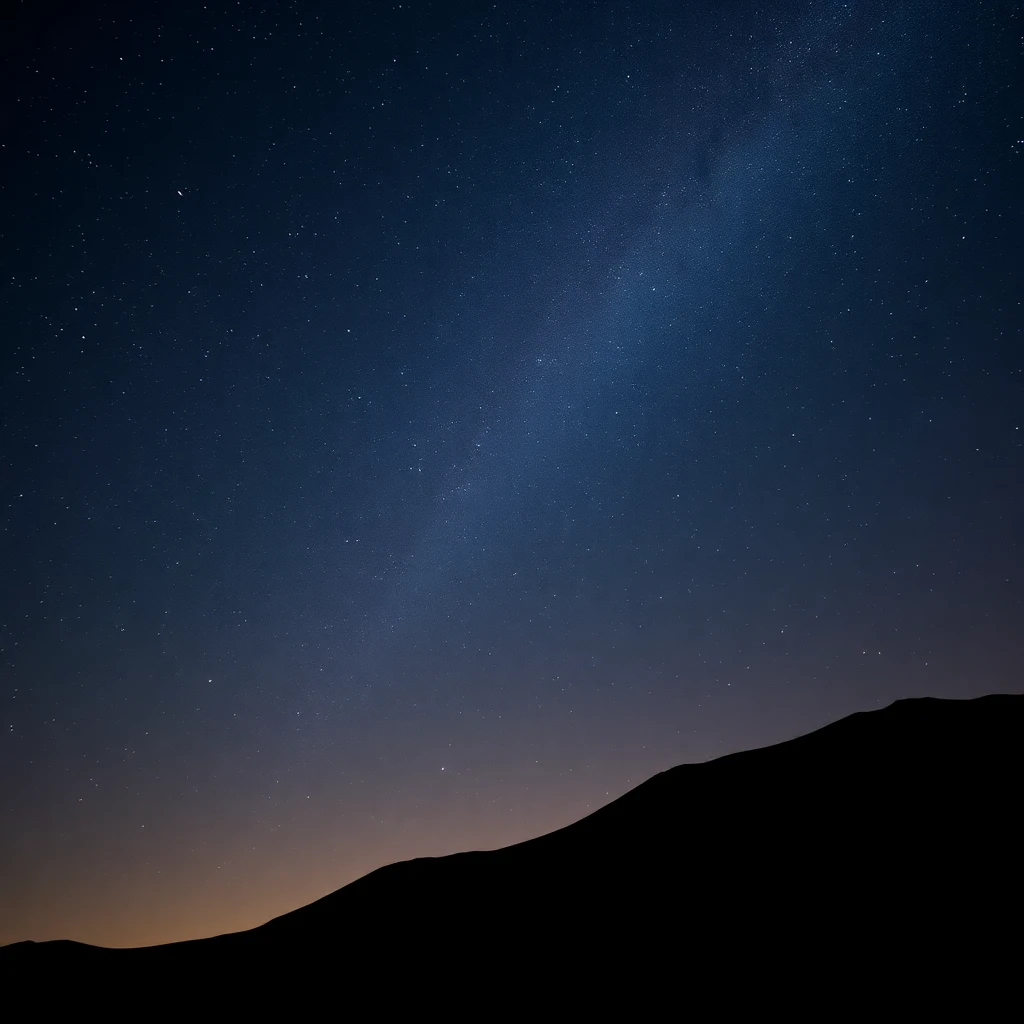
The Perseid meteor shower consistently ranks among the most anticipated celestial events, delivering a reliable spectacle visible from the Northern Hemisphere. In 2026, its peak promises a welcome break from late-summer heat, drawing seasoned astronomers and casual observers alike. Predicting peak activity and understanding optimal viewing windows is crucial for effective outreach, citizen science initiatives, and maximizing public engagement with astronomy.
The Intel Brief
Early models suggest a favorable Moon phase in 2026, potentially minimizing lunar interference during the Perseid peak. Observers should scout locations with dark skies and minimal light pollution. Expect activity to ramp up in the days leading to August 12th, continuing for several nights afterwards. Detailed radiant maps and meteor trajectory simulations will become available as the peak approaches.
Historical Context
Perseid showers, caused by the Earth passing through debris from comet 109P/Swift-Tuttle, have delivered exceptionally high meteor counts in some years. While annual variations occur, the Perseids remain a reliable annual celestial display, unlike some sporadic and less predictable showers.