Why This Drop Matters
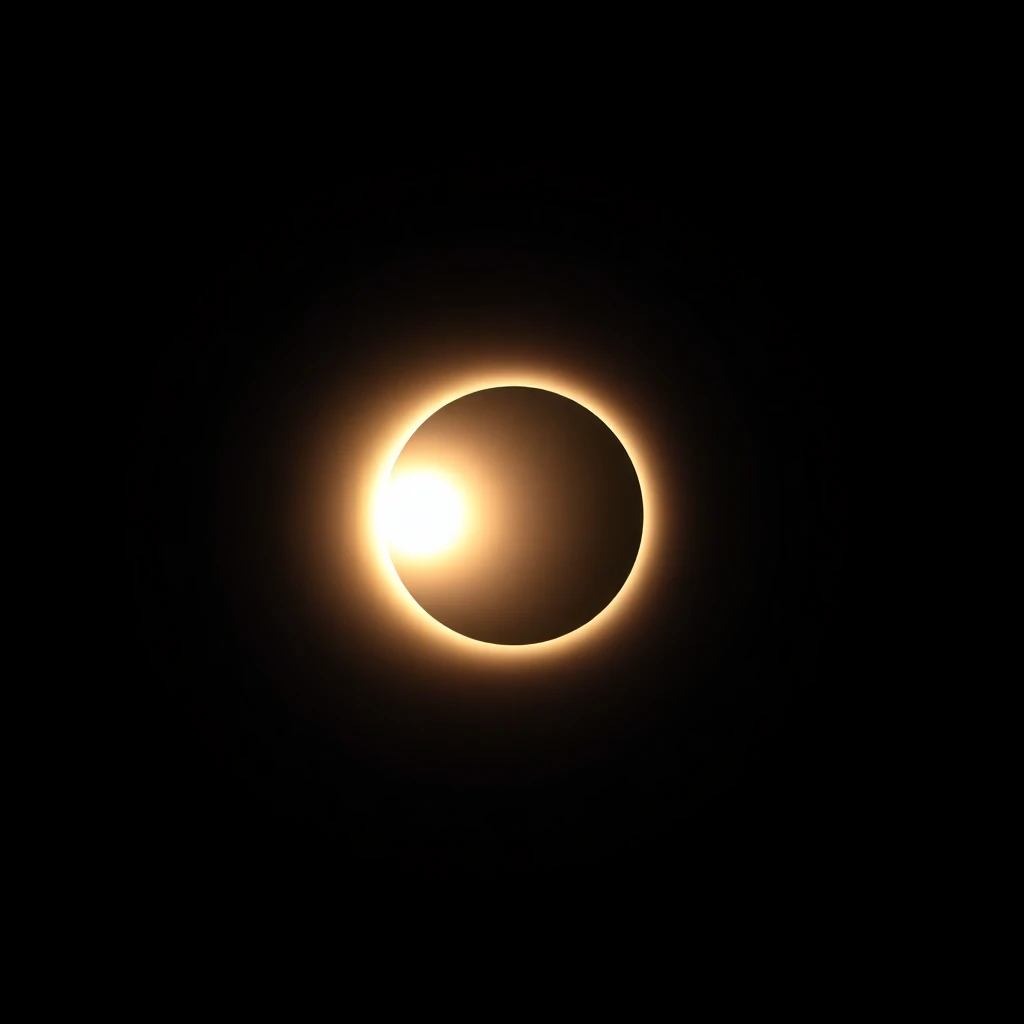
The 2026 total solar eclipse offers a rare celestial spectacle for Europe, a continent often excluded from prime totality paths. Its visibility will drive significant public and academic interest in astronomy, offering unique outreach opportunities and potentially boosting astrotourism in affected regions. This eclipse provides invaluable research opportunities, particularly for atmospheric scientists and solar physicists who can leverage ground-based and airborne observatories across the totality path.
The Intel Brief
Expect heightened interest in Spain and Iceland, where the eclipse will be most visible. Travel infrastructure near the path of totality is already experiencing increased search volume, with bookings projected to surge. Major European observatories, including those in the Canary Islands, are preparing coordinated observation campaigns. Early weather models will be highly scrutinized as the date approaches, influencing optimal viewing locations and backup plans.
Historical Context
Total solar eclipses are infrequent visitors to Europe, with the last significant mainland event occurring in 1999 but the 2015 total eclipse visible from the Faroe Islands. The 2026 eclipse's Iberian trajectory marks a relatively accessible path compared to previous events, promising broader public engagement and participation.