Why This Drop Matters
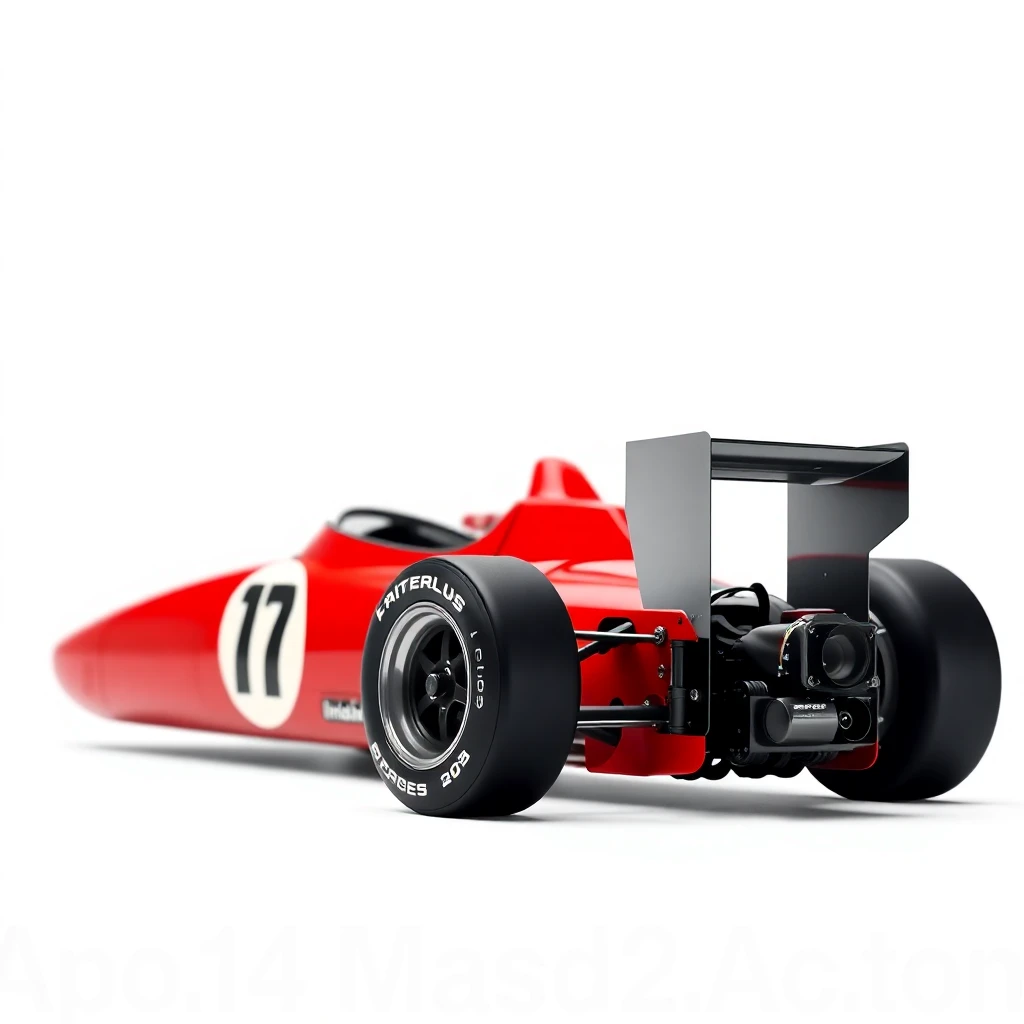
The Indianapolis 500 isn't just a race; it's a crucible of motorsport engineering and driver skill. By 2027, advancements in hybrid powertrains and aerodynamic efficiency will likely be showcased, pushing technological boundaries. The 500 consistently draws global audiences, impacting sponsor visibility and shaping the future of open-wheel racing. The sheer scale of tradition keeps the event a cornerstone of American sporting culture, impacting viewership and attendance far beyond the racing community.
The Intel Brief
Early whispers suggest several teams are experimenting with enhanced energy recovery systems, potentially affecting pit stop strategies and overall fuel efficiency. Discussions regarding safer chassis designs following recent incidents are circulating within the engineering circles. Expect heightened focus on data analytics, with teams leveraging AI to optimize real-time performance during the race. Driver lineup rumors usually start circulating two years prior, but for 2027 it is expected by the start of the 2025 racing season.
Historical Context
The race remains steeped in tradition, echoing its century-plus history. Rule modifications and technological shifts distinguish each era of the Indy 500. Compared to the electric revolution happening in Formula 1, expect Indy to maintain its commitment to internal combustion for the foreseeable future, with hybridization as an evolutionary step.