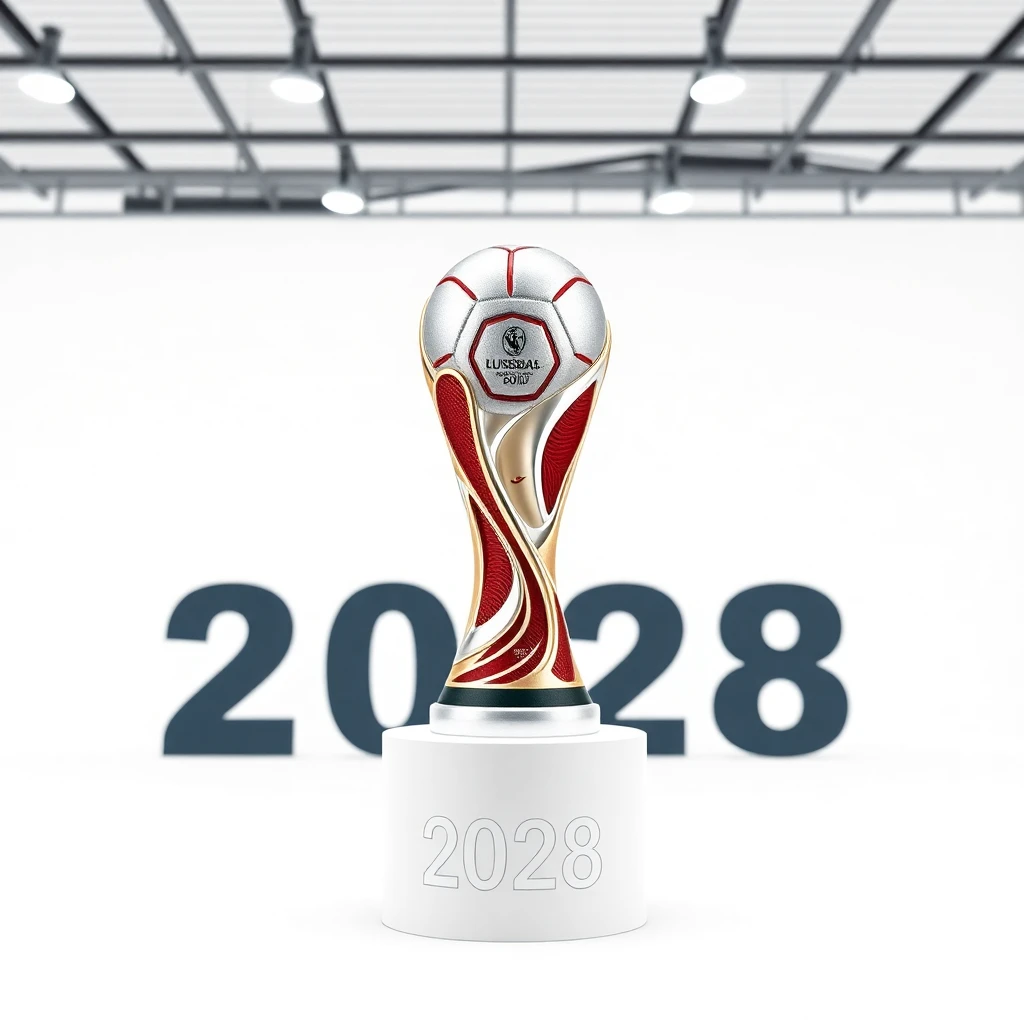
Why This Drop Matters
The FIFA World Cup 2028 marks a pivotal moment, potentially expanding the tournament's reach and format. Increased participation and global viewership solidify football's dominance as the world's most popular sport. Significant revenue generation impacts host nations and FIFA directly. This competition provides a global platform for emerging football talents and shapes the future trajectory of the beautiful game, influencing national teams and player development strategies for years to come.
The Intel Brief
Early speculation suggests North America is a frontrunner to host, leveraging existing infrastructure. Discussions within FIFA's committees center on potential format changes, possibly involving more participating nations or innovative match scheduling. Broadcasters are already vying for rights, anticipating record-breaking viewership figures. Behind the scenes, cities are preparing bids, outlining stadium upgrades and security plans to meet FIFA’s stringent requirements.
Historical Context
Following successful prior World Cups with 32 teams, 2028 may see an expanded field, building upon the momentum of increased global interest. The tournament continues to evolve, learning from logistical challenges and fan expectations of previous events, aiming for a new level of organization and engagement.