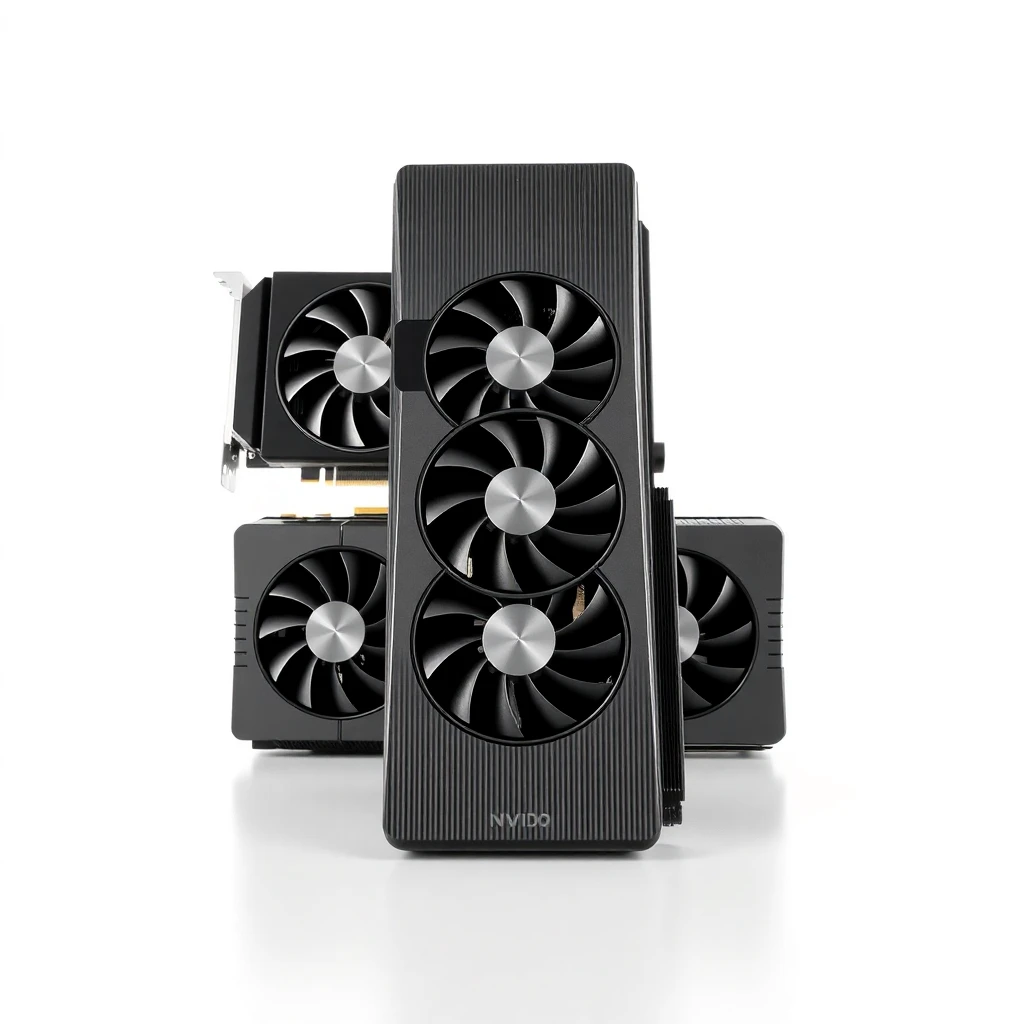
Why This Drop Matters
The NVIDIA RTX 6090 represents a crucial inflection point in GPU technology. As the supposed culmination of NVIDIA's Blackwell architecture, it promises a significant leap in performance, potentially shattering existing benchmarks in gaming, professional visualization, and AI workloads. The launch will heavily influence future PC builds and datacenter infrastructure strategies, shaping the competitive landscape for AMD and Intel. A successful RTX 6090 launch solidifies NVIDIA's dominance.
The Intel Brief
Whispers across the industry suggest a massively increased core count coupled with advanced ray tracing capabilities. Speculation points towards significant architectural improvements, possibly integrating chiplet designs for enhanced scalability. Power draw is rumored to be substantial, necessitating advanced cooling solutions. Early benchmarks, though unconfirmed, indicate a performance uplift of 60-80% over the previous generation RTX 5090. All eyes are on NVIDIA's official specifications.
Historical Context
Historically, NVIDIA's xx90 series cards have consistently redefined performance expectations. The RTX 3090 introduced substantial VRAM, and the 4090 brought unprecedented ray tracing power. The 6090 aims to continue this legacy of monumental generational improvements, setting a new standard for what's achievable in consumer-grade graphics.