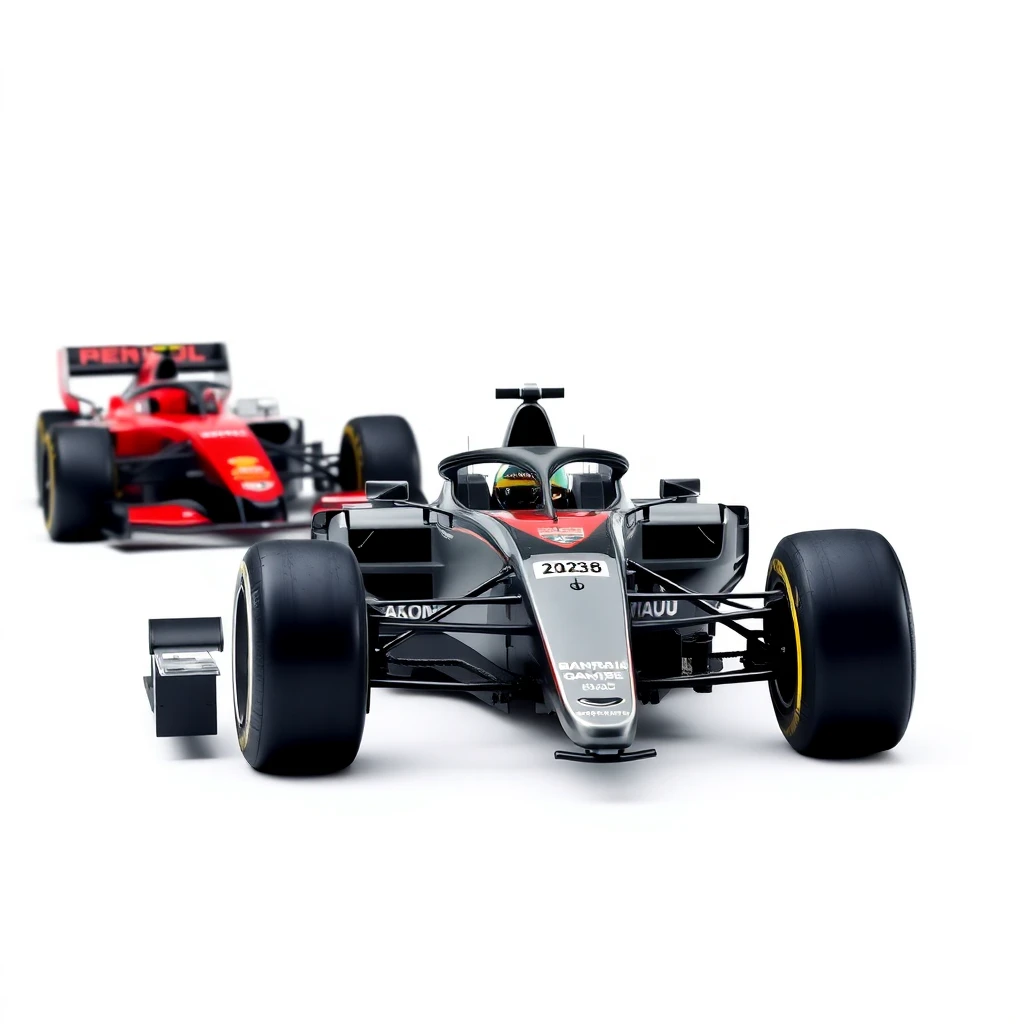
Why This Drop Matters
The Bahrain Grand Prix serves as the traditional curtain-raiser for the Formula 1 season, instantly setting the competitive tone for the year. Its importance extends beyond the on-track action, offering crucial early data on car performance and reliability, informing strategic decisions across all teams. Emerging technologies and aerodynamic innovations are typically debuted here, influencing the developmental trajectory for the remainder of the championship. It's a crucial test of winter development programs and a key predictor of championship contenders.
The Intel Brief
Whispers from pre-season testing suggest a potential reshuffling of the established order. Several teams are rumored to have made significant gains in hybrid power unit efficiency, potentially challenging the dominance of the previous frontrunners. Tire strategies will be closely watched, given Pirelli's continued refinements to compound construction. Expect heightened scrutiny on new driver pairings and the implementation of any rule changes aimed at improving overtaking opportunities.
Historical Context
Bahrain's place on the F1 calendar has been cemented since 2004, often providing dramatic races due to its abrasive track surface and demanding braking zones. Past events have been pivotal, with surprising mechanical failures and strategic gambles frequently shaping early championship narratives. It serves as a benchmark against which subsequent races are measured.