Why This Drop Matters
The Miami Grand Prix has rapidly become a cornerstone of the Formula 1 calendar, injecting American flair and celebrity appeal into the sport. By 2028, it will be a crucial proving ground, testing advancements in aerodynamic packages and power unit efficiency developed throughout the previous regulatory cycle. Its placement early in the European season makes it a bellwether for team performance, setting the tone for championship aspirations. The intense competition and electric atmosphere ensure it will be a must-watch event.
The Intel Brief
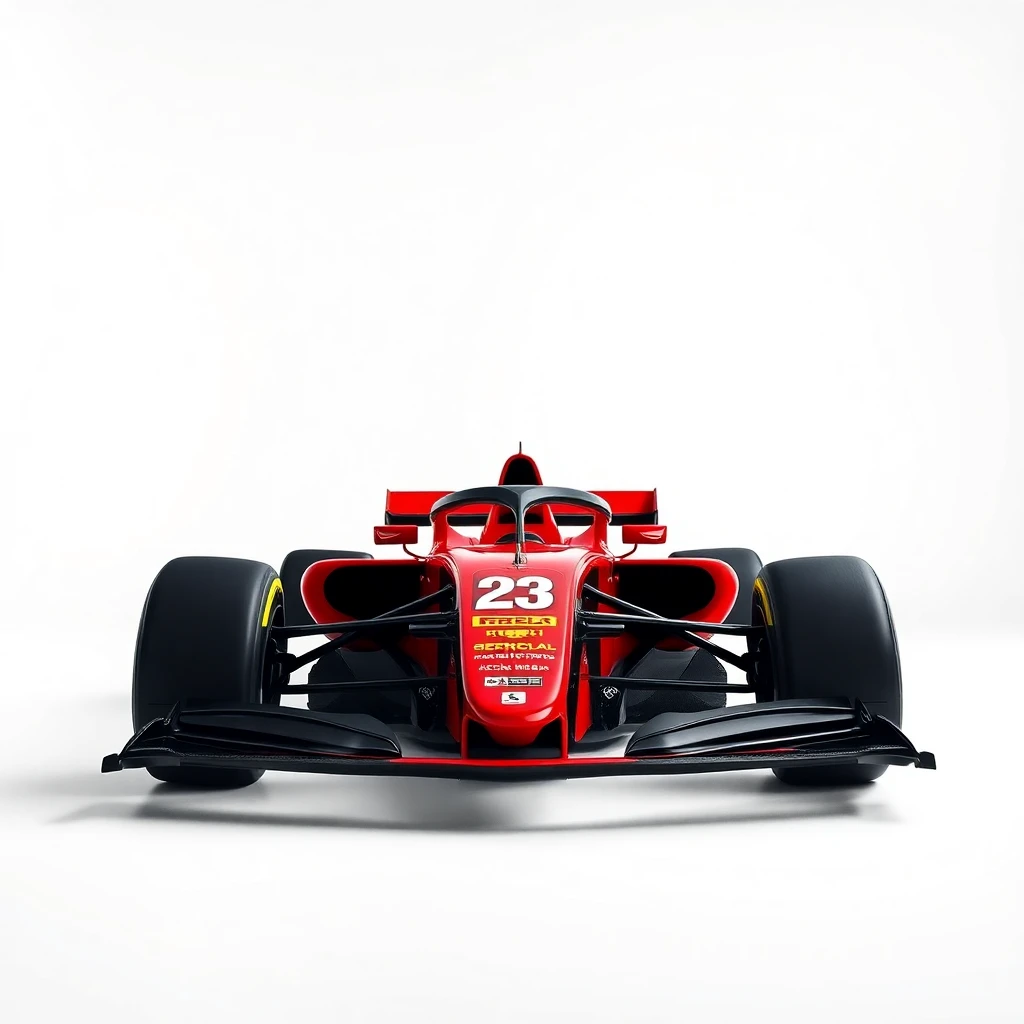
Early simulations suggest a further narrowing of the performance gap between teams, thanks to the maturation of sustainable fuel technologies and optimized hybrid systems. Expect significant downforce configurations tailored to the circuit's unique combination of high-speed corners and tight chicanes. Rumors are circulating about radical suspension designs aimed at maximizing mechanical grip on the challenging track surface and potential regulation tweaks impacting DRS zones, emphasizing skillful overtaking maneuvers.
Historical Context
Miami's elevation to a Grand Prix was meteoric; by 2028, it will be a seasoned event. Previous races have been defined by strategic variability due to unpredictable weather and safety car interventions. As a result, it has rapidly gained a reputation for unexpected results, making it among the most challenging and exciting races.